
ROOT CANAL
What Is a Root Canal?
A root canal is a dental procedure used to treat and save a tooth that is badly decayed, infected, or inflamed inside. Instead of removing the tooth, the dentist carefully cleans out the infected pulp (the soft tissue inside the root), disinfects the space, and then fills and seals it to prevent future problems. A crown is usually placed afterward to protect and strengthen the tooth.

Preserves Natural Tooth
The infected or damaged tissue is removed, relieving discomfort while keeping your natural tooth in place.
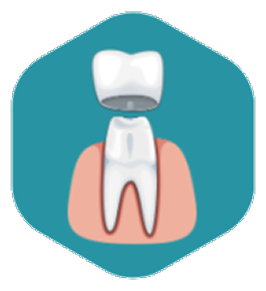
Restores Strength & Function
After treatment, a crown is placed to restore function and prevent future damage or breakage.
Why Might a Tooth Need a Root Canal?
A root canal becomes necessary when the soft inner tissue of the tooth, called the pulp, becomes infected or inflamed. This can cause pain, sensitivity, or even swelling — and if left untreated, may lead to a serious infection or the loss of the tooth altogether.
- Deep Tooth Decay: When a cavity goes untreated and reaches the inner pulp, bacteria can cause infection and inflammation that can't be resolved with a regular filling.
- Cracked or Broken Tooth: A fracture that reaches the root or exposes the pulp can allow bacteria to enter, leading to pain and infection — even if the crack is too small to see.
- Tooth Injury or Trauma (Tooth may appear discoloured): A blow to the mouth or an accident can damage the pulp, even if the tooth looks intact. This internal damage may lead to symptoms over time.
- Ongoing Pain or Sensitivity: Lingering tooth pain, especially when eating, or prolonged sensitivity to hot or cold may be a sign that the pulp is compromised and needs treatment.
What to Expect
Before The Appointment
- You had X-rays and a consultation to confirm that a root canal is needed.
- Eat a light meal and take any prescribed medications (such as antibiotics) if instructed.
- Let us know about any health conditions or medications you're taking.
During The Procedure
- The area around your tooth will be numbed completely for your comfort.
- A small opening is made in the tooth to remove the infected or damaged pulp.
- The inside of the tooth is cleaned, disinfected, and shaped.
- The canals may be filled and sealed the same day, or a temporary filling may be placed if a second visit is needed (depending on specific case).
- Most appointments take 60–90 minutes, depending on the tooth.
Between Appointments
- Avoid chewing on the treated tooth until the procedure is complete.
- You may feel mild tenderness — over-the-counter pain relief can help.
- A temporary filling or crown will protect the tooth until the next visit.
- Follow any instructions provided by your dentist
Crown Placement (If needed)
- Your permanent crown will be fitted, adjusted for comfort, and securely bonded in place.
- The treated tooth is now fully restored — allowing you to chew, smile, and speak with confidence.
AFTERCARE
Caring for the Site:
- Mild soreness or tenderness in the area is normal for a few days.
- Use over-the-counter pain relief or any medication prescribed by your dentist.
- Avoid chewing on the treated side of your mouth until a permanent filling or crown is placed.
- If a temporary filling was used, be gentle with that tooth until your final restoration is completed.
Oral Care
- Continue brushing and flossing as usual, but be gentle around the treated area for the first few days.
- Be gentle chewing on the treated side for the first couple of days post- treatment
Eating & Drinking
- Do
- Wait until the numbness wears off
- Eat soft foods like yogurt, eggs, pasta, soup (warm not hot)
- Chew on the opposite side of your mouth
- Drink water and warm (not hot) liquids
- Avoid
- Eating while still numb
- Chewing hard, crunchy, or sticky foods
- Using the treated tooth until fully restored
- Using straws or eat very hot/cold items
When to Call Us
- You feel severe or increasing pain after the first few days
- Swelling worsens or increases after treatment
- When the freezing wears off and the bight on the tooth is heavy - it may need adjustment
Costs & Insurance
The cost of a root canal depends on the location of the tooth (front or back), the number of canals involved, and the complexity of the case. Before your procedure:
- We’ll provide a full treatment estimate.
- Our team will submit a pre-determination to your insurance provider.
- You’ll receive a breakdown of any out-of-pocket costs.