
DENTURES
What Are Dentures?
Dentures are custom-made, removable appliances used to replace missing teeth and restore your smile. They help improve chewing, support facial structure, and boost confidence in speaking and smiling. At Ottawa Street Dental, we offer different types of dentures to fit your specific needs:
Full Dentures
Full (or complete) dentures are used when all of the teeth in the upper or lower jaw need to be replaced. These rest comfortably on your gums and are designed to look natural and feel secure.
Ideal for: Patients missing all teeth in one or both arches.
Partial Dentures
Partial dentures are used when some natural teeth remain. They fill in the gaps with artificial teeth and are attached using a discreet framework or clasps.
Ideal for: Patients who are missing several teeth but still have healthy natural ones.
Implant-Supported Dentures
Why Are Dentures Needed?
Dentures aren’t just about appearance — they play a key role in restoring function, protecting your oral health, and supporting overall well-being. You may need dentures if you’re experiencing any of the following:
- Multiple Missing Teeth: TIf you’re missing several or all of your teeth in the upper or lower jaw, dentures can help restore your ability to chew, speak clearly, and smile confidently.
- Severely Damaged or Decayed Teeth: Teeth that are too weak or broken to be repaired may need to be removed. Dentures can then replace those teeth to maintain comfort and function.
- Advanced Gum Disease (Periodontitis): Gum disease can damage the bone and tissues that support your teeth, leading to tooth loss. When this happens, dentures help fill the gaps and protect oral health.
- Desire for a Healthier, More Confident Smile: If you’re unhappy with the look or function of your smile, dentures can restore your confidence and give you a fresh, functional new start.
WHAT TO EXPECT
Consultation & Exam
We’ll examine your mouth, take any necessary X-rays, and discuss your options. We’ll help you decide which type of denture — full, partial, or implant-supported
Impressions
We’ll take detailed molds of your gums and remaining teeth to ensure a custom fit. We’ll also measure your bite and help choose a tooth shape and color that suits your smile.
Try-In Appointment
A trial version of your denture may be placed to check the fit and appearance before the final set is made. This allows for adjustments to ensure comfort and a natural look.
Final Placement
Your finished dentures will be placed and adjusted for comfort, bite, and fit. You’ll receive instructions on how to care for them at home.
Follow Up
A few days after placement, we’ll check how your dentures are fitting. If needed, we’ll make small adjustments to relieve any pressure or ore spots.
Costs & Insurance
The cost of dentures can vary based on the type of denture (full or partial), materials used, and individual fit or customization needs. In Canada, dental coverage for dentures also depends on your insurance plan, province, and whether you’re receiving complete or partial dentures. Before our procedure:
- We’ll provide a detailed treatment estimate based on your specific needs
- Our team can submit a pre-determination to your insurance provider to check what’s covered
- You’ll receive a clear breakdown of any out-of-pocket costs, including lab fees, fittings, or adjustments
At Ottawa Street Dental, we understand that getting dentures is a big change - we’re here to make the process comfortable, supportive, and stress-free. Have questions?
AFTERCARE
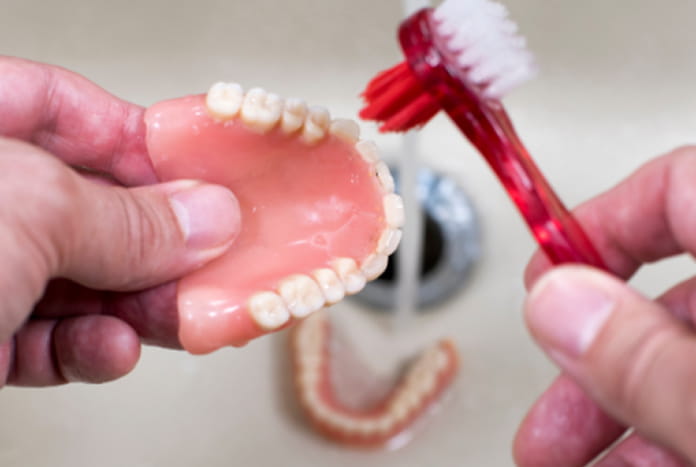
Daily Care
- Brush your dentures gently every day with a denture brush and cleaner
- Rinse after eating to remove food and bacteria
- Clean your gums, tongue, and any natural teeth with a soft toothbrush
- Floss around any remaining teeth
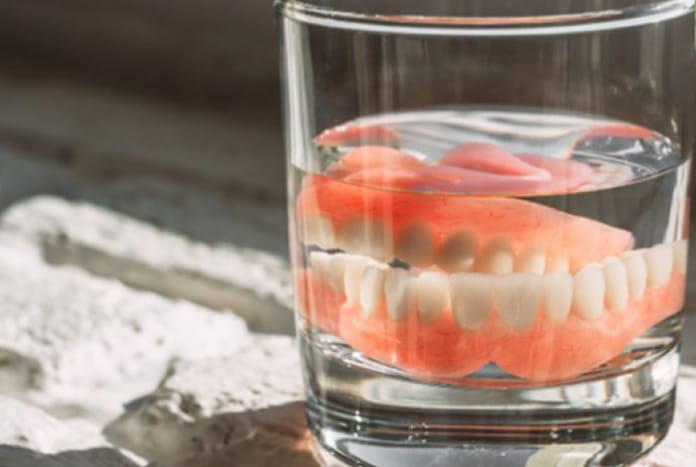
At Night
- Remove dentures before bed to let your gums rest
- Soak them in denture solution or water overnight — don’t let them dry out
Eating & Drinking
- Start Soft:
- Begin with soft, easy-to-chew foods like yogurt, eggs, cooked vegetables, and pasta
- Cut food into small pieces and chew slowly on both sides of your mouth
- Avoid Sticky or Hard Foods:
- Stay away from gum, toffee, hard candies, nuts, and crusty bread — they can dislodge or damage your dentures
- Be cautious with very hot foods or drinks until you’re used to temperature changes
- Stay Hydrated:
- Drink plenty of water to keep your mouth moist and help with chewing and speaking
- Limit alcohol and caffeine, which can dry out your mouth
- Give It Time:
- It’s normal for eating to feel different at first — your muscles and mouth will adjust
- If soreness or discomfort continues, let us know — a simple adjustment may help
- Speech may be effected for a short period of time
Fit & Comfort
- If dentures feel loose, rub, or cause sore spots, contact us — adjustments may be needed.
- Never try to adjust them on your own