
PERIODONTAL DISEASE
What Is Periodontal Disease?
Periodontal disease is a chronic, progressive, and highly destructive infection that targets the gums and the bone supporting the teeth. It develops when pathogenic plaque — a dense biofilm of bacteria — accumulates along the gumline. If not meticulously removed through consistent daily brushing and flossing, this biofilm hardens into tartar, which cannot be removed without professional treatment. The bacteria within plaque and tartar provoke a sustained, aggressive inflammatory response, leading to the destruction of gum tissue and the underlying bone.
Periodontal disease is not confined to a single site — the infection can spread to adjacent teeth, accelerating the breakdown of their supporting structures. Left untreated, this process results in deep periodontal pockets, irreversible bone loss, tooth mobility, and ultimately, tooth loss. The impact extends far beyond the mouth. Periodontal disease has been strongly associated with serious systemic health conditions, including cardiovascular disease, diabetes, respiratory disease, and certain forms of cancer. The chronic inflammation and bacterial load can compromise overall health and well-being, making periodontal disease not merely a dental concern, but a significant medical risk factor with far-reaching consequences.
Signs Your Gums Need Attention!
- Bleeding gums when brushing, flossing, or eating
- Swollen, red, or tender gums
- Persistent bad breath or a bad taste in your mouth
- Receding gums (teeth appear longer than before)
- Tooth sensitivity due to exposed roots
- Loose or shifting teeth
- Changes in how your teeth fit together when you bite
- Dentures no longer fitting properly
- Impacts aesthetic (person’s smile/facial appearance)
What Causes Periodontal Disease?
Periodontal disease is caused by bacteria that build up in the mouth and lead to infection of the gums and supporting bone around the teeth. The main source of this bacteria is plaque — a sticky film that forms on your teeth every day.
If plaque isn’t removed regularly with brushing and flossing, it hardens into tartar, which can’t be removed at home. Tartar traps more bacteria and causes inflammation, starting the process of gum disease.
However, several other factors can increase your risk or make the condition worse:
However, several other factors can increase your risk or make the condition worse:
- Poor oral hygiene: not brushing and flossing effectively or regularly
- Smoking or tobacco use: reduces blood flow and healing in the gums
- Genetics: some people are more prone to gum disease even with good habits
- Chronic illnesses: Such as diabetes and autoimmune diseases, which affects your body’s ability to fight infection
- Poor nutrition: especially lack of vitamin C and other immune-supporting nutrients
- Hormonal changes: such as during pregnancy, puberty, or menopause
Stages of Periodontal Disease
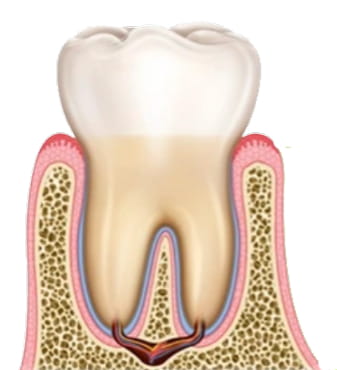
Healthy Gums
- Firm, pink gums that do not bleed when brushing or flossing
- No signs of inflammation, swelling, or tenderness
- Teeth are stable, and there’s no gum recession or bone loss
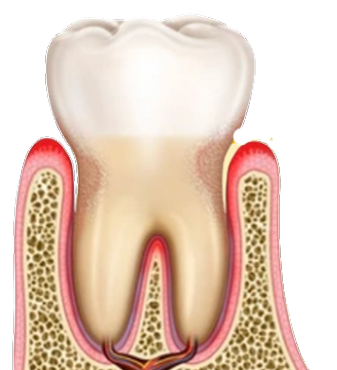
Gingivitis (Early Stage)
- Red, swollen gums that may bleed easily when brushing or flossing
- Caused by plaque buildup along the gumline
- No permanent damage yet — gingivitis is reversible with good oral hygiene and a professional cleaning
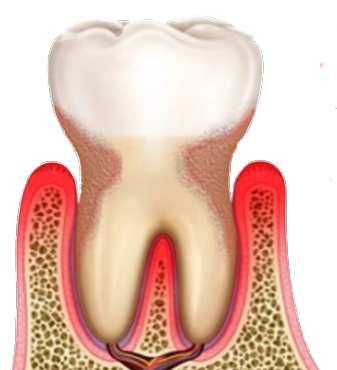
- Plaque hardens into tartar below the gumline
- Gums begin to pull away from the teeth, forming pockets
- Bone and tissue damage begins, and teeth may start to loosen slightly
- Can be chronic or acute infection
- Not reversible but manageable
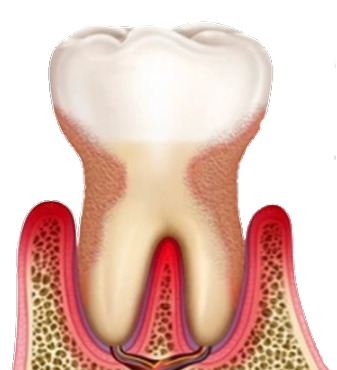
Advanced Periodontitis
- Significant loss of gum tissue and supporting bone
- Deep pockets around the teeth, severe gum recession, and loose or shifting teeth
- May lead to tooth loss and changes in bite or facial structure
- Can infect other teeth
- Periodontal therapy required
- Not reversible but manageable
Importance of at Home Care:
Daily care at home is vital role in protecting your gums and preventing the progression of periodontal disease. Brushing, flossing, and using recommended rinses help control plaque buildup and reduce inflammation between dental visits.
Healthy Gums Start at Home

Brush Gently & Thoroughly Twice a Day

Floss Daily
Use an Antibacterial Mouth Rinse
TREATMENT OPTIONS
The treatment for periodontal disease depends on how advanced the condition is. Early stages may only require a professional cleaning, while more advanced cases may need deeper care. Our goal is always to stop the infection, protect your teeth, and restore gum health.
Dental Cleaning
In the earliest stage of gum disease — gingivitis — a routine dental cleaning may be all that’s needed. This removes soft plaque and hardened tartar from above the gumline, helping reduce inflammation. When combined with improved home care, gingivitis can usually be reversed before permanent damage occurs.
Scaling and Root Planing (SRP)
caling is a deep cleaning procedure used to treat periodontal disease by removing harmful plaque and tartar (hardened plaque) from the surfaces of your teeth – especially below the gumline, where regular brushing and flossing can’t reach.
Improved Home Care Routine
Brushing twice a day, flossing daily, and possibly using a recommended mouth rinse can help manage gum disease and prevent it from worsening.
- Prescribed oral hygiene instructions by Dentist and Dental Hygienist
Severe Cases
In more advanced or complex cases of periodontal disease, patients may be referred to a periodontist — a dental specialist who focuses on the treatment of gum and bone conditions. A periodontist can provide advanced care, such as gum surgery, bone grafting, or implant placement, to help restore health and function. If a referral is needed, we’ll coordinate your care and
ensure a smooth transition, keeping your comfort and long-term oral health as our top priority.